Olde Tool Workshop

No Tool Like an Olde Tool

Tools Series Part 5 Chisels and Gouges

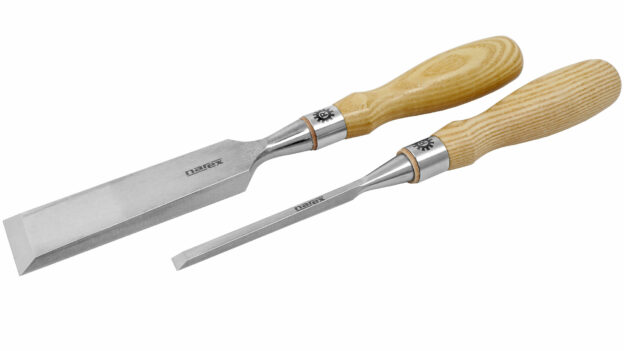
Narex Richter
Narex Richter - See it's surprising test result in James Wright's Chisel Test - link below

Chisels

Back in my early days while beginning my woodworking journey, I believed a chisel was a chunk of metal with a plastic handle. You’d pound them mercilessly to remove wood during construction. They were not precious or even to be well cared for. They were a rough tool, to be used and abused and forgotten about after the work was done.


Tools Series Part 4 Striking Tools Hammers Mallets Etc

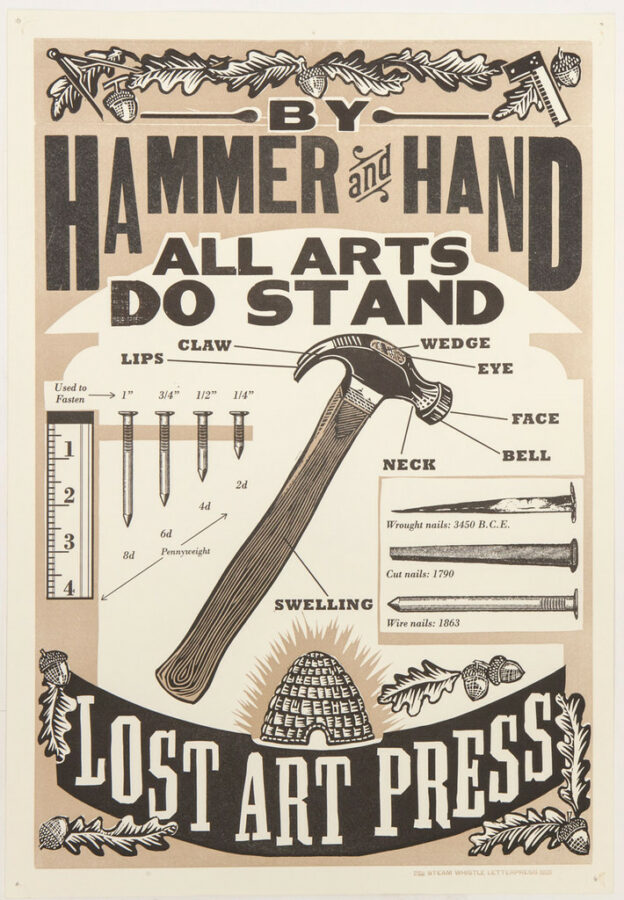
Poster - courtesy of Lost Art Press

There’s something very satisfying about driving a nail home or hitting a chisel with a mallet where you take just the perfect chunk of wood off. Mallets and Hammers offer the woodworker a great opportunity to make their own tools. At least this was the case for me. I have made several striking tools and I love using them. Woodworking mallets are simple to make and can last you a lifetime (more on that later). Good hammers are easy to re-handle and a joy to use. I have just a drop in the bucket of types of striking tools available to the modern craftsman, but every one of them gets plenty of use.


Tools Series Part 3 Planes

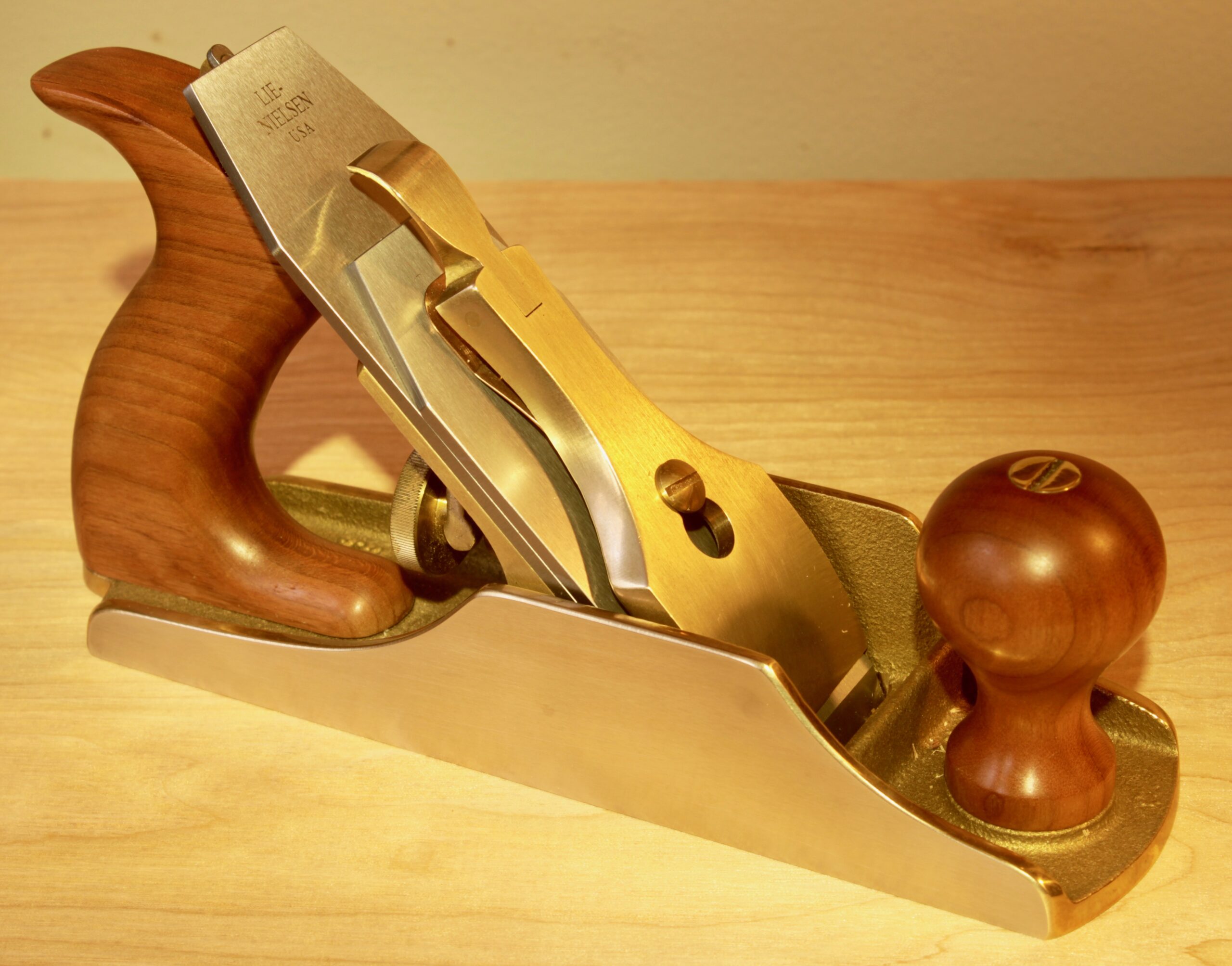
Lie-Nielsen No. 4 Bronze Bodied Smoothing Plane

09-Jan-2021 Update: James Wright has recently released his comprehensive “Plane Iron Test Results Fast And To The Point” video. Do yourself a favor and watch this. You’ll be glad you did. I recently bought the Veritas PM-V11 2″ Blade for one of my smoothing planes based on his test results.

Planes and plane collecting can become an obsession. Like saws from my earlier blog entry, I have been collecting, acquiring and restoring them for over a decade. I am not a tool or plane collector per se. I collect and restore tools I’m going to press into service. If I do come across a plane I don’t need, that is a good deal and/or that needs restoration I will generally sell it in “farm fresh” condition or I’ll do a minimal restoration that preserves the history, patina and character of the tool while making it usable. I have sold or given away more planes than I currently own.


Tools Series Part 2 Saws

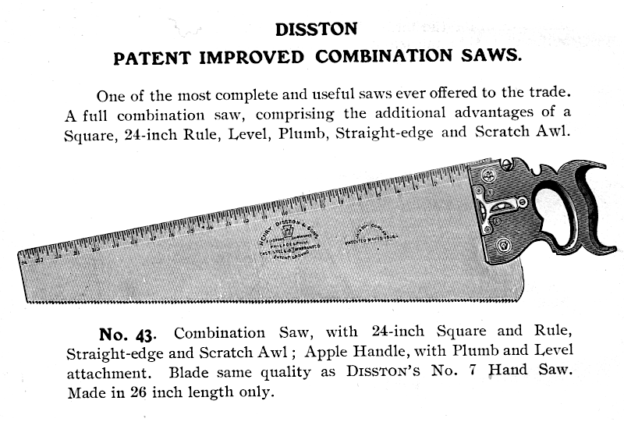
Disston No. 43 Combination Saw

This week I’ll be talking saws. Besides the hammer and knife, the saw is one the oldest human-made tools. Saws come in such great diversity, with different shapes, sizes, type of cut, and tooth geometry. This will be a pretty long blog entry by necessity as I own quite a few different types of saws and they all deserve a explanation of use and a bit of history. I’ll be presenting my saws to you, explaining what I use them for and where I got them (if I can remember). Like other tools I own, my saws cover only a fraction of the saw types available. I tend to use the sharpest and fastest cutting saws of any particular type. Saws are only useful when they’re sharp. I’m not the best saw sharpener, but I do ok. I’d rather be cutting wood than sharpening saws. Rip saws are pretty easy to sharpen, but crosscut saws are a bit more of an art than science. Don’t get me wrong, there’s plenty of science in saw geometry, but the actual sharpening is a lot more of a learned skill. Even so, it is one that is best learned if you plan to do any hand sawing of your work. I will include my saw sharpening tools in addition to my saws in this entry. So let’s get started.
Tools Series Part 1 Marking And Measuring

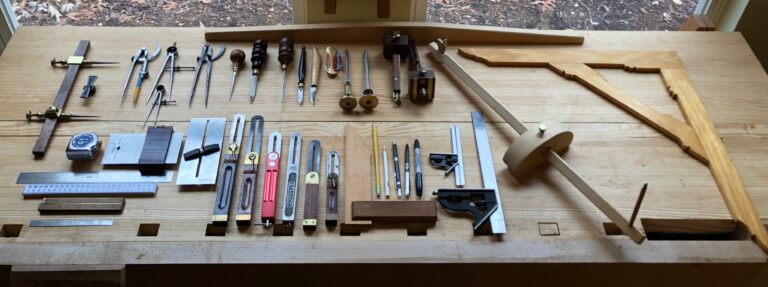
I’m staring a new blog series about my tools, their use and origins. I’m kinda obsessed with my tools. They fascinate me and I just sometimes go into my shop to clean them and marvel at their beauty and design. I would like to say upfront, this is my choice of tools. You may agree or disagree with my choices, but ultimately the tools I choose are my decision and not really subject to anyone else’s opinion. I do listen to others about what tools they like and some people with lots of experience I listen very carefully, but I’m not bound to any one philosophy or system or cult of personality. I have made many tool choice mistakes and will make more in the future. But I try to stick to one maxim: “Buy the best and most appropriate tool you can.” If you can’t afford to purchase a particular tool, make something and sell it to get the money to buy the tool. Sometimes I get lucky and find just the right vintage tool at an estate sale or garage sale, but lately I have been buying new very high-quality tools as I am not necessarily a vintage tool collector.